US history shows spending on infrastructure doesn’t always end well

Over the past two centuries, federal, state and municipal governments across the U.S. have launched wave after wave of infrastructure projects. Slot Judi Online
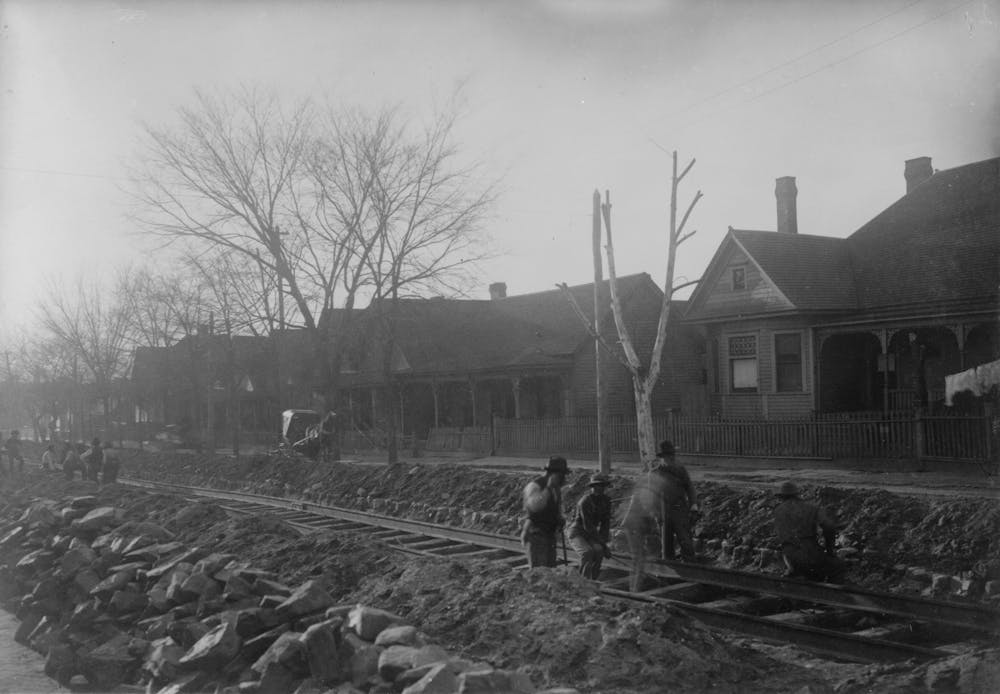
They built canals to move freight in the 1830s and 1840s. Governments subsidized railroads in the mid- and late 19th century. They created local sewage and water systems in the late 19th and early 20th centuries, and then dams and irrigation systems through much of the 20th century. During World War II, massive amounts of public money were spent building and expanding ports, factories, airfields and shipyards. And after the war, highway construction – long a state and local project – became a federal endeavor. Agen Slot Terpercaya
Many of these projects did not end well. The problem wasn’t that the country didn’t need infrastructure – it did. And the troubles weren’t the result of technical failures: By and large, Americans successfully built what they intended, and much of what they built still stands.
The real problems arose before anyone lifted a shovel of earth or raised a hammer. These problems stem from how hard it is to think ahead, and they are easy to ignore in the face of excitement about new spending, new construction and increased employment.
The questions about which massive structures to build, and where, are actually very hard to answer. Infrastructure is always about the future: It takes years to construct, and lasts for years beyond that.
The money invested in roads, railroads, airports and dams cannot be repurposed, and what is built requires large future expenditures for upkeep. If the infrastructure isn’t needed, then we throw good money after bad.
Overbuilding
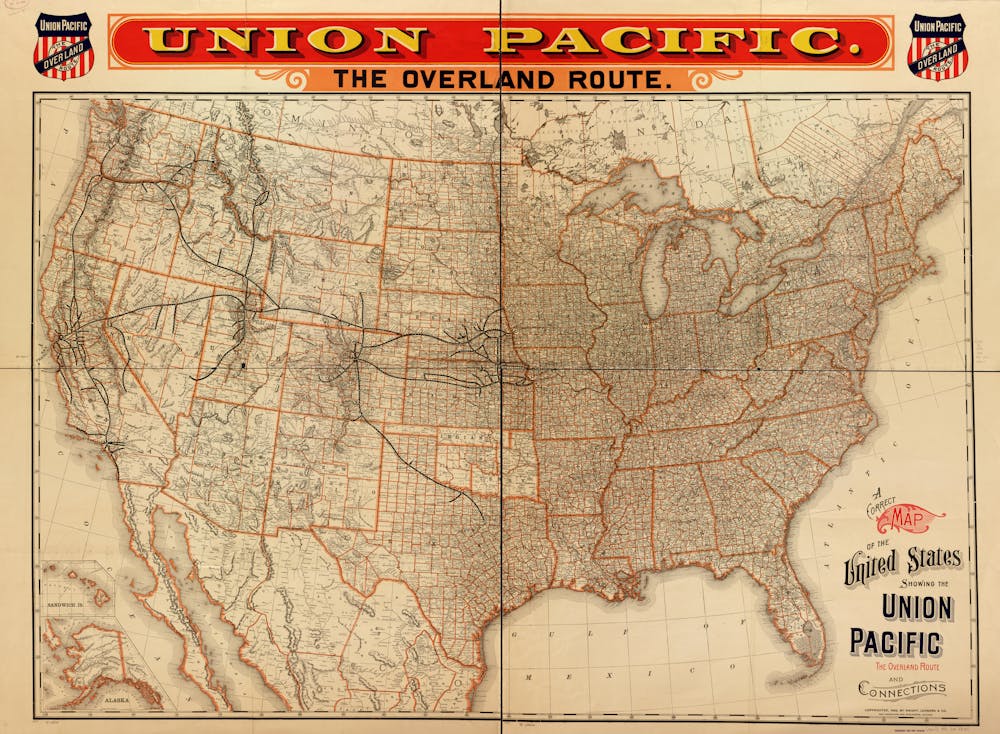
Obsolescence isn’t the worst of the potential problems that can come from infrastructure spending. Railroads dominated the 19th century, but the U.S. built too many of them, particularly into the lightly populated West. I spent a whole book discussing the many ways in which that work, lauded now as a great success of government funding for private infrastructure, was in fact a costly and wasteful failure. The costs began with the bankruptcies and repeated regional and national economic crises that 19th-century Americans referred to as “railroad depressions.”
Infrastructure is intended to promote development, and it will. But that can be a problem. There is such a thing as dumb growth, like the development that swamped 19th-century markets with wheat, timber and minerals that they could not absorb. The result was numerous business failures and the abandonment of whole geographic areas when the economy went bust, as during the Dust Bowl.
The economic damage the overbuilding of railroads yielded paled before the environmental damage wrought by the mining, clear-cutting and large-scale agriculture they encouraged. And this points to another problem.
.jpg)


Comments
Post a Comment